Independence Day Heart Flag: History & Fun Facts
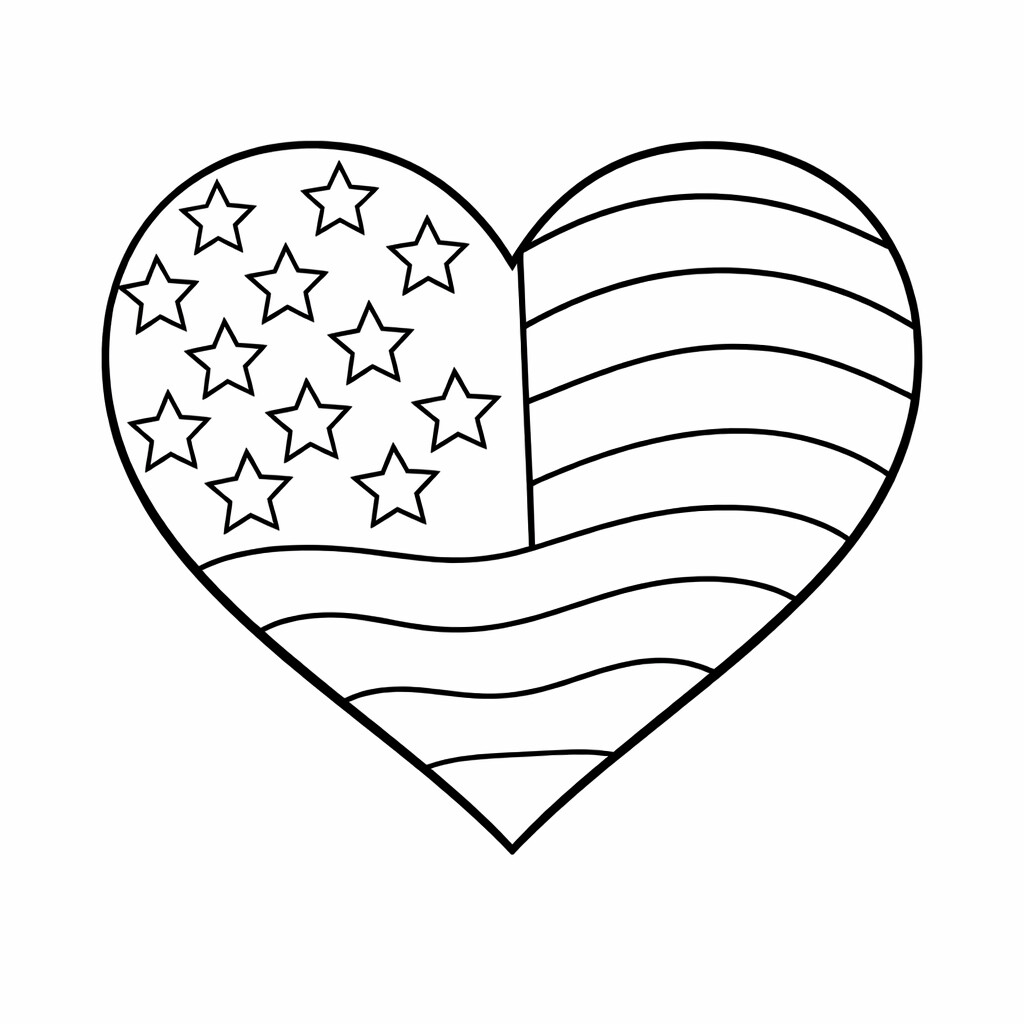
A heart and a flag together create a softer, more personal form of patriotism. While the American flag has official meanings tied to states, union, and national history, the heart suggests love, loyalty, and emotional connection. Putting the two together turns a public symbol into something more intimate.
This kind of imagery became especially common in greeting cards, school crafts, and holiday decorations during the 19th and 20th centuries. Patriotic art for children often used simple shapes like stars, hearts, and flags to make national identity easy to understand. A heart-shaped flag does not come from the Revolutionary period itself, but from later traditions of teaching pride in country through friendly, familiar designs.
A heart-and-flag Independence image tells the story of patriotism at home. It reflects family celebrations, school events, and the ways people express national feeling not only through parades and fireworks but also through affection and memory. It is less about battle and more about belonging.
A flag inside a heart combines public symbolism with a more personal kind of patriotism. The stars and stripes belong to national history, but the heart shape turns that history into something emotional and individual rather than purely official. Designs like this became common in postcards, school crafts, and parade decorations because they softened the formal look of the flag without losing its meaning. The result is a symbol that ties national identity to affection, memory, and belonging rather than to ceremony alone.
Independence Day scenes become memorable because they are built from traditions, symbols, and decorations that were repeated year after year in homes, schools, cards, and public celebrations. A page with a specific holiday subject points to those traditions more clearly than a broad holiday label alone. Whether the focus is fireworks, shamrocks, hearts, harvest tables, or winter decorations, each detail carries a history of how people pictured that season. Printed cards and festive illustrations helped spread many of these symbols far beyond their original settings. That is why a holiday page often feels familiar even before anyone reads the title.
This page connects to a holiday topic that people usually understand through symbols, foods, music, public events, and family routines. People often ask why certain objects belong to a holiday and others do not. The answer is that celebrations grow over time from religion, civic history, folklore, migration, and local custom. Once those layers build up, a holiday becomes recognizable through a few quick symbols such as fireworks, hearts, clovers, gifts, flowers, or harvest foods. Those symbols survive because they are easy to remember and easy to repeat every year.
Another common question is how holiday traditions change from one place to another. A celebration may keep the same date but look different depending on climate, public events, neighborhood habits, and family customs. Some communities focus on parades, some on meals, some on religious observance, and some on city countdowns or decorations. That variation is important because it shows that holidays are living traditions rather than fixed museum pieces. Even when people recognize the same symbol, they may connect it to very different local routines.
People also ask why holiday pages remain memorable long after one specific date passes. The answer is that holidays return in cycles, so families and schools keep meeting the same symbols every year. Cards, songs, decorations, and public events help those images settle into memory. Over time, a simple object such as a flag, shamrock, heart, bouquet, fireworks burst, or turkey becomes a shortcut for a much larger story about time, community, and tradition.
More Holiday Coloring Pages
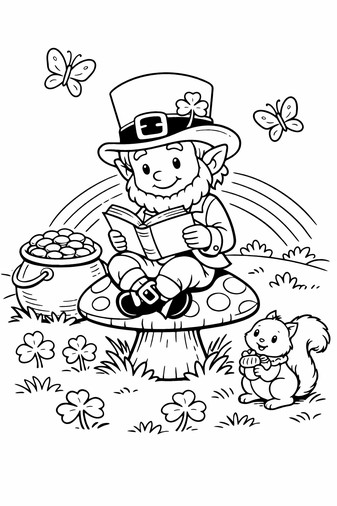
How to Use This Worksheet
Download this free printable coloring page or print instantly. Great for kids, preschool, and classroom activities.
Combining the American flag with a heart motif makes this Independence Day coloring sheet feel both patriotic and warm — it's not just about national pride, it's about love of country in the most personal, heartfelt sense. Kids often give finished versions of this sheet to grandparents or veterans as a handmade patriotic gift.
Frequently Asked Questions
Is this Independence Day Heart Flag coloring page free to print?
Yes, completely free. Download or print this Independence Day Heart Flag coloring sheet instantly — no sign-in or subscription required. Use the Print A4 or Print Letter buttons for a perfectly sized PDF.
What age is this holiday coloring page good for?
Holiday coloring pages work for a wide age range — toddlers and preschoolers enjoy the festive shapes and colors, while elementary-age children appreciate adding detail and shading. They make great classroom activities, party favors, and quiet-time holiday crafts.
Can I use this for a classroom holiday party?
Absolutely. All coloring sheets on PrintColoringSheet. com are free for non-commercial educational use including classroom parties, school events, and after-school programs. Print as many copies as needed.
What is the best way to color this printable?
Crayons and washable markers work great for younger children. Colored pencils give older kids more control for shading and detail. For watercolors, print on 65 lb card stock or heavier to prevent bleed-through. Always print in black-and-white mode for the crispest outlines.