
Printable Fruit Coloring Sheets
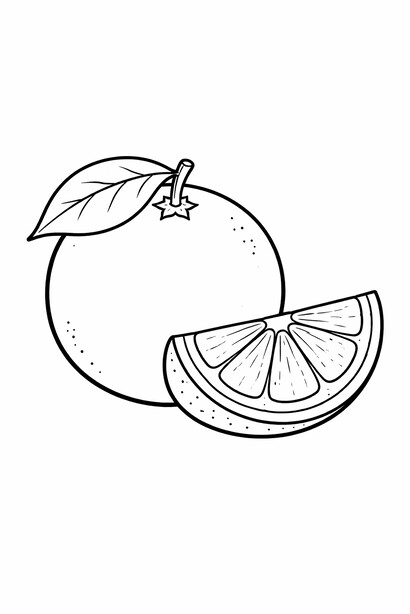
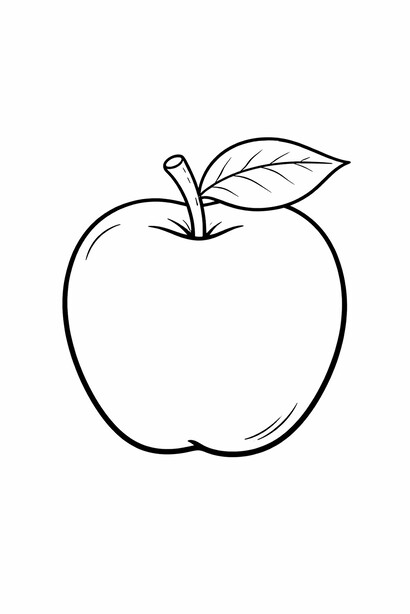
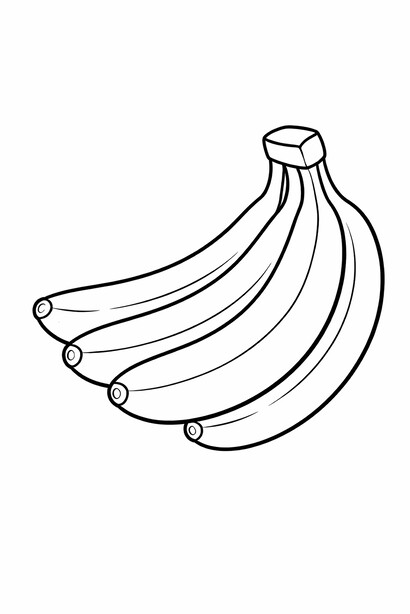
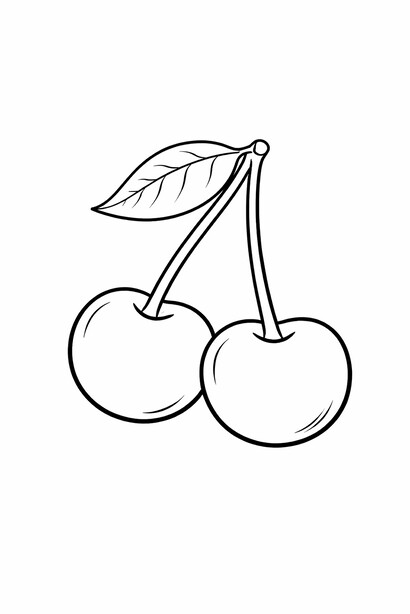
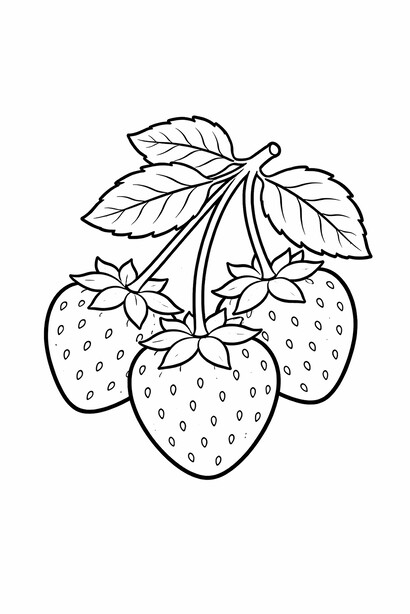
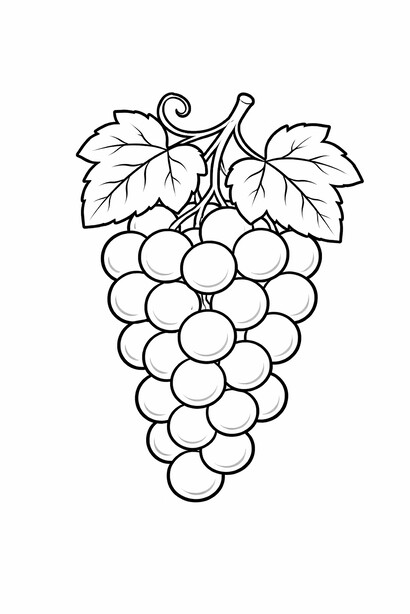
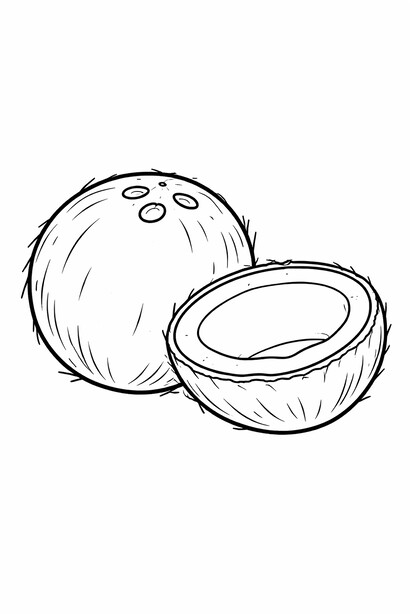
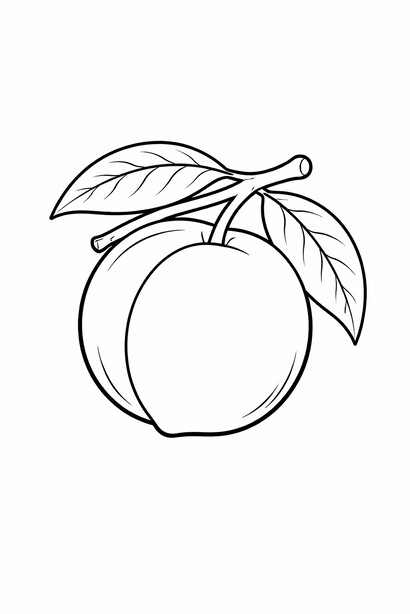
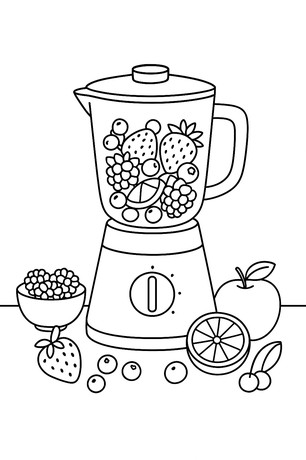
Browse free printable fruit coloring pages featuring popular fruits children recognize right away. This collection includes classic orchard fruits, tropical fruits, citrus fruits, and a colorful kitchen fruit scene.
Fruit Coloring Pages
Fruit Coloring Pages for Kids: History & Fun Facts
Fruit pictures have been used for centuries in market signs, botanical books, kitchen charts, seed catalogs, and classroom posters because fruit shapes are easy to recognize and easy to compare. An orange looks different from a pear, a pineapple looks different from a grape cluster, and even children who cannot read yet can often tell those shapes apart. That made fruit a natural subject for teaching pages, still-life paintings, and early food illustrations. Long before modern coloring sheets existed, artists and printers were already drawing apples, citrus, berries, and tropical fruits to show people what they looked like and where they came from.
A fruit collection page also reflects world history in a quiet way. Apples and pears connect to old orchards in Europe and Asia, oranges traveled widely through trade, bananas became tied to tropical farming, and coconuts spread along coastlines and islands. Pineapples, peaches, grapes, cherries, and strawberries all carry their own farming traditions, harvest seasons, and regional stories. When these fruits appear together on one page, they show how food moved across oceans, trade routes, gardens, and local markets. A single fruit category can therefore hint at orchards, vineyards, groves, farms, and kitchens from many parts of the world.
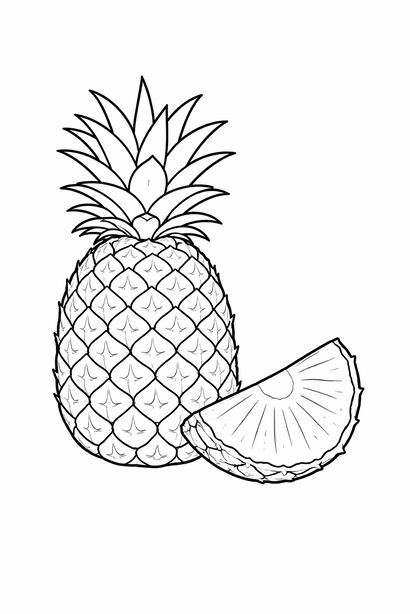
Modern fruit coloring pages usually focus on clear visual clues rather than crowded scenes. Artists often show one whole fruit, a sliced piece, a stem, a leaf, or a small branch because those details help people recognize the subject quickly. That is why oranges are often drawn with a slice, grapes as a hanging cluster, coconuts with a cracked half, and pineapples with a crown and cut section. These familiar choices are not random. They come from years of packaging art, grocery labels, cookbooks, and classroom pictures that taught people which fruit details mattered most when a simple black-and-white drawing had to be understood right away.
Fruit plants do not all grow the same way, and that is one reason a fruit category can cover such different subjects. Apples, pears, peaches, cherries, and oranges usually grow on trees, grapes grow on climbing vines, strawberries grow low to the ground, bananas come from giant herb plants rather than true trees, and pineapples grow close to the soil on spiky plants. Coconuts come from tall palms that can reach impressive heights in tropical regions. When a fruit collection includes all of these together, it quietly brings in orchards, vineyards, garden beds, tropical groves, and coastal palm landscapes rather than one single kind of farm.
Fruit seasons also vary by climate and by fruit type. In many temperate regions, cherries and strawberries arrive in late spring or early summer, peaches and grapes often peak in summer, and apples and pears are strongly tied to late summer and autumn harvests. Tropical fruits such as bananas, coconuts, and pineapples are grown in warmer regions and can have very different harvest schedules depending on rainfall and local growing conditions. That seasonal variety is one reason fruit remains such a broad topic. A single category can include familiar school-year orchard fruits as well as tropical fruits connected to year-round warmth and coastal agriculture.
How to Use This Worksheet
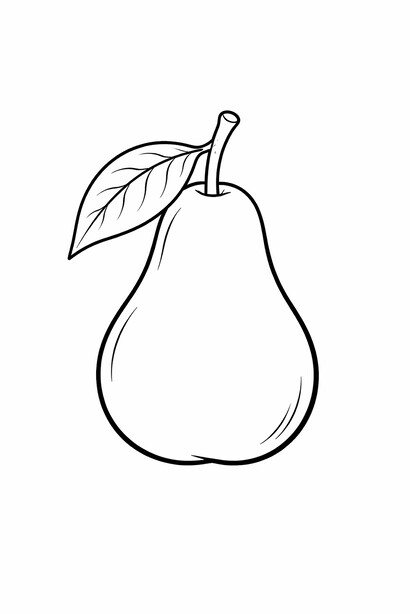
Fruit coloring pages are popular because the shapes are easy to recognize and the colors are familiar. Apples, oranges, bananas, cherries, strawberries, grapes, coconuts, peaches, pineapples, and pears all have distinct outlines that children can learn quickly.
These pages work well for nutrition lessons, healthy eating themes, orchard and garden units, grocery store activities, and simple home coloring time. They also give children a wide range of bright color choices without needing complicated scenes.